“Objetivo – Sucesso “ Como executar a sua estratégia – Como passar do papel para as pessoas

596ProjectPlanner

Como fazer a sua estratégia funzionar – como passar do papel para as pessoas.
Atrair desempenho de ouro aumenta a possibilidade de sucesso.
Muitos dos entrevistados como relata o livro  Making Your Strategy Work: How to Go from Paper to People de Chris Outram,  insistem na importancia  do execesso de investimento em pessoas.  Contratar o melhor, treinar bem, desafiar com frequencia e assumir os riscos em promover mais cedo os colaboradores. Quase sempre você sera recompensado por um desempenho superior. Nos dias hoje,  as empresas precisam de colaboradores expertos e mais preparados, para competir com os concorrentes que estão cada vez mais bem informados e capacitados.
“Pessoas boas produzem resultados bons resultados, as pessoas excelentes irão produzir resultados excelentes.”
Por consequência a principal tarefa do líder é encontrar pessoas excelentes.

“Limpando as plataformas:”

O corolario da conspiração da gestão “É preciso expurgar os colaboradores confirmados como – os duvidosos”. Como observa o CEO Duncan Painter do Grupo Top Right. Ele observa:
“As pessoas são a razão pela qual as empresas falham. Você deve sempre fazer um esforço para trazer os dissidentes de volta para o rebanho, mas se isso falhar remova-os”. Eles potencialmente se tornarão tóxicos. Causando a execução e implementação das estratégias mais difícil e mais cara do que poderia ser.
Os colaboradores duvidosos são um modelo pobre para os juniors, criando um ceticismo que irradia para fora e para baixo em toda estrutura hierárquica da empresa. Se a sua equipe não age como uma equipe,  substitua-la; diz Ian Livingston, CEO da BT Group.  “E faça parte do seu bônus dependente dos objetivos comuns para conduzir a  importância da colaboração.” Arno Mahlert, ex-CEO e CFO da Maxingvest, concorda:. “Os gestores precisam para criar a cultura certa, sendo  verdadeiros modelos. Eles precisam inspirar credibilidade sendo aberto a comentários. Eles também precisam ser capazes de tolerar alguns erros, mas a única coisa que não pode ser tolerada é o comportamento destrutivo. “Estratégias de desenvolvimento precisam de abertura e desafio”, diz John Brock, presidente e CEO da Coca-Cola. “Mas, uma vez que a estratégia está definida, você tem que executar, executar, executar. Você não pode permitir negativismo “.” Se alguém não estiver alinhado, você precisa levá-lo para fora do campo. ” Eles podem ser bons, inteligentes e eficazes em algum coisa, mas se eles estão bloqueando o caminho da execução da estratégia, em seguida, é fundamental removê-los, às vezes você pode mover as pessoas para funções menos críticas. Na sua forma mais extrema, você pode achar que é necessário gerenciar algumas demissões de alto perfil, se livrar dos executivos que não seguem ou não podem seguir o fluxo.
Do livro  Making Your Strategy Work: How to Go from Paper to People de Chris Outram
Estas estratégias na sua forma extrema resultam em cortes e reposicionamento de colaboradores que de um certo modo contribuíram para desenvolvimento da empresa, porem em um cenário atual são vistos como potenciais tóxicos de pessimismo e desmotivadores.  E se ainda existisse uma outra abordagem? Coaching e Programação Neurolinguistica.
O negativismo e a falta de cooperação das pessoas chaves no processo de implementação de estratégias pode e dever ser afrontado com um trabalho de parceria com coaches e uso da PNL. Ultrapassar crenças limitadoras, resignificar e alinhar os colaboradores com a visão, missão e estratégias da empresa são fattores importantes para o sucesso.
Vou citar dois tipos de abordagem de coaching:
Coaching de desempenho:  nesta abordagem o papel do coach é motivar o ”talento” a tomar  medidas em relação a uma certa habilidade ou ambiente, promover uma abertura ao feedback e estabelecer objetivos voltados ao aumento do desempenho.
Coaching de desenvolvimento:  Como ativar no “talento” a habilidade de refletir e mudar pensamentos, crenças, valors e identidades  que estão obstruindo o alcance dos resultados desejados.
 
Neste processo de busca da excelência em todos os aspectos, seja pessoal ou profissional, promove o desenvolvimento de  uma equipe eficaz, desenvolve o pensamento flexível, promove a  abertura aos desafios e novas idéias, compreensão dos valores individuais e da equipe. Engajamento de conflitos com o uso de posições perceptivas a fim de aprender e resolver conflitos e situações indesejadas. Adoção de Modelos de Níveis Lógicos para entender o propósito e os valores, e o que isto afeta nas mudanças do comportamento. Ressignificação da responsabilidade como algo que não pode ser dado, só pode ser conquistado.

Renato Moreira – Coach Executivo e palestrante em cursos de desenvolvimento pessoal.

Como coach atuo com profissionais e empresarios que buscam desenvolver uma performance criativa e inovadora em ambientes altamente produtivos. Esses profissionais estão dispostos a agir com coragem para atingir os seus objetivos e assumir os riscos necessários para alcançá-los.
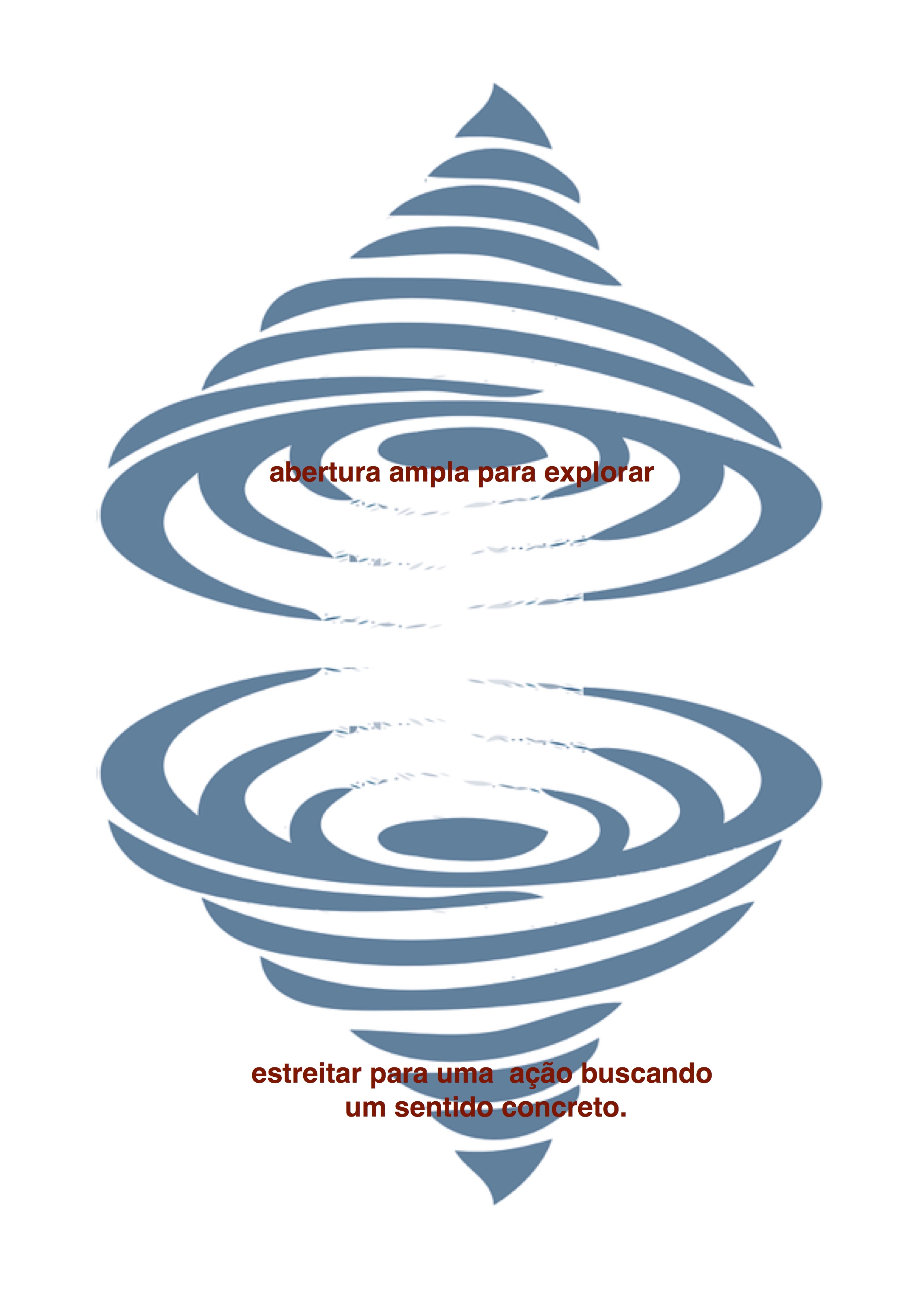

A anatomia de uma conversa excelente

funil
A maioria das pessoas possuem uma irresistível tendência de entrar no modo resolve-problema entre os 60 segundos da conversa,  movendo rapidamente do ponto A para o ponto B, completando um objetivo presumido. Assim temos a tendência de perder um monte de preciosas sugestões, dicas, contexto, ideias malucas que poderiam levar a um conjunto inesperado de soluções e resultados mais ricos.
Todas as conversas excelentes possuem uma anatomia. Para entender essa forma,  pegue dois funis e coloque um sobre o outro, sendo um de cabeça para baixo, e pronto! Esta é a forma da conversa excelente, a anatomia da conversa otimizada. Eu desenho estes dois funis no meu bloco de anotações sempre que faço uma sessão de coaching com os meus clientes, é como um lembrete, uma ótima conversa tem basicamente duas metades.
Uma abertura ampla para explorar e  outra para estreitar uma ação. Isto parece muito mais simples do que é na realidade.  Para trabalhar bem as duas metades é preciso assumir duas mentalidades muito diferentes e tornar-se duas pessoas diferentes com uma agenda e personagens contrastantes.
Deixe a conversa desenvolver livre na primeira metade da conversa. Por  exemplo:  uma sessão de coaching que dura uma hora, nos primeiros 30 minutos da conversa uso para abrir caminho para uma exploração. O meu objetivo nesta primeira metade é absolutamente esquecer que eu deveria dirigir a conversa na direção de um resultado. Este é o segredo,  porque libera o coach da obrigação de pressionar para obter algo com um final tangível.  Como consequência ouço muito mais.  Meu objetivo é me perder na estória do cliente e segui-lo a onde ele quiser ir com a conversa, estando sempre curioso e aberto. Cada vez que ele diz algo que  parece importante ou interessante, eu simplesmente envio uma ‘sonda’ –  “Conte-me mais?”
Na outra metade, entramos nos 30 minutos seguintes da sessão, a este ponto o coach se transforma em uma pessoa diferente, agora ele dirige a conversa, com foco singular e com intenção, buscando um sentido concreto, sinalizando o fechamento do funil.
Uma vez alguém me disse: “ Coaching que não termina com resultados concretos é apenas uma conversa agradável”  dito isso, não vou direto a ação,  uso o processo de “Brainstorm”:  Peço ao cliente cinco opções de respostas,  porque cinco? As três primeiras repostas que as pessoas dão tendem a ser as mais convencionais, elas quase sempre fazem um pausa antes de começar o numero quatro, e geralmente  uma pausa ainda mais longa precede a opção numero cinco. As opções numero quatro e cinco muitas vezes são as “out-of-the box”  ideias fora-da-caixa ou ações que o cliente tem resistido a tomar, e estas são muitas vezes aquelas que fazem a diferença no resultado quando aplicadas. 
Para fechar: A maioria dos desafios  no trabalho e na vida são resolvidos através da conversa. Aprender tecnicas de coaching pode ajudar você e as pessoas ao seu redor a otimizar as conversas e obter muito mais delas. 

Renato Moreira – Coach Executivo e palestrante em cursos de desenvolvimento pessoal.

Como coach atuo com profissionais e empresarios que buscam desenvolver uma performance criativa e inovadora em ambientes altamente produtivos. Esses profissionais estão dispostos a agir com coragem para atingir os seus objetivos e assumir os riscos necessários para alcançá-los.

Nice story from unknown author

1484241_1552140665039642_8176726663905013056_n

Enjoy!
Many hundreds of years ago in a small Italian town, a merchant had the misfortune of owing a large sum of money to the moneylender. The moneylender, who was old and ugly, fancied the merchant’s beautiful daughter so he proposed a bargain. He said he would forgot the merchant’s debt if he could marry the daughter. Both the merchant and his daughter were horrified by the proposal. The moneylender told them that he would put a black pebble and a white pebble into an empty bag. The girl would then have to pick one pebble from the bag.If she picked the black pebble, she would become the moneylender’s wife and her father’s debt would be forgiven. If she picked the white pebble she need not marry him and her father’s debt would still be forgiven. But if she refused to pick a pebble, her father would be thrown into jail. They were standing on a pebble strewn path in the merchant’s garden. As they talked, the moneylender bent over to pick up two pebbles. As he picked them up, the sharp-eyed girl noticed that he had picked up two black pebbles and put them into the bag. He then asked the girl to pick her pebble from the bag. What would you have done if you were the girl? If you had to advise her, what would you have told her? Careful analysis would produce three possibilities: 1. The girl should refuse to take a pebble. 2. The girl should show that there were two black pebbles in the bag and expose the moneylender as a cheat. 3. The girl should pick a black pebble and sacrifice herself in order to save her father from his debt and imprisonment. The above story is used with the hope that it will make us appreciate the difference between lateral and logical thinking. The girl put her hand into the moneybag and drew out a pebble. Without looking at it, she fumbled and let it fall onto the pebble-strewn path where it immediately became lost among all the other pebbles. “Oh, how clumsy of me,” she said. “But never mind, if you look into the bag for the one that is left, you will be able to tell which pebble I picked.” Since the remaining pebble is black, it must be assumed that she had picked the white one. And since the moneylender dared not admit his dishonesty, the girl changed what seemed an impossible situation into an advantageous one. MORAL OF THE STORY: Most complex problems do have a solution, sometimes we have to think about them in a different way. If you liked this story… please share with friends, family and children… You might spark a thought, inspire and possibly change a life forever! Thinking “Out of Box”…

Estados mentais

Searching archaeologists unaware of dinosaur shape inside of cave

Estar feliz é um estado mental, também é a depressão.  Estar animado é um estado mental, como é o cansaço e a letargia. Muitas pessoas estão familiarizadas com a expressão “É um estado de espirito”,  mas o que é realmente interessante sobre os estados mentais é saber o que nos leva a escolher este comportamento.
A sindrome “Lutar ou fugir” é o exemplo mais conhecido: Imagine o homen da caverna que caminha em uma trilha e de repente se depara com um tigre dente de sabre, o seu corpo reage imediatamente e o instinto de sobrevivência toma controle, uma onda de adrenalina se espalha pelo corpo, a taxa de respiração sobe e mais oxigênio entra nos pulmões, seu coração bombeia o sangue mais forte e mais rápido, simultaneamente drena o sangue para longe das extremidades, não somente para que ele possa ser utilizado de forma mais eficaz a nível interno, mas também caso o homem das cavernas decidisse  lutar, ele não iria sangrar tanto no caso fosse mordido. A esse ponto ele esta pronto para manter o instinto de sobrevivência – lutar ou fugir.
Hoje em dia muitas pessoas vivem grande parte de suas vidas no modo “luta ou fuga”, ou seja – stress. Essa resposta do sistema nervoso serve apenas para ser ativada em momentos de emergencia. Surtos de adrenalina frequentes e por longo período em sua corrente sanguínea podem causar grandes problemas de saúde e envelhecimento precoce. Através da PNL podemos aprender métodos simples para controlar nosso estado mental, reprogramando os gatilhos que disparam o mau estar.
Em poucas palavras, a PNL habilita as pessoas a serem menos afetadas (reagindo inconscientemente) por circunstancias externas, quanto mais consciente sobre os  nossos processos internos mais podemos responder efetivamente as circunstancias externas nas diversas areas da vida.

Renato Moreira – Coach Executivo e palestrante em cursos de desenvolvimento pessoal.

Como coach atuo com profissionais e empresarios que buscam desenvolver uma performance criativa e inovadora em ambientes altamente produtivos. Esses profissionais estão dispostos a agir com coragem para atingir os seus objetivos e assumir os riscos necessários para alcançá-los.

O que é a PNL ?

nocoes-basicas-de-pnl

Considerada como o manual de operações da mente, a PNL é um modelo pratico do comportamento humano, com um especifico interesse nos padrões de comportamentos que distinguem uma performace exelente de uma mediana.
Um “Manual de operações da mente e da sua vida” rico de recursos para um completo auto-coaching, com explicações de como a mente trabalha, um conjunto de habilidades para ter mais controle sobre a sua mente e dos processos emocionais.
Este conjunto de habilidades nos permite performar os tipos de ações que levam com grande facilidade aos resultados que desejamos.

Nesses dias qualquer aparelho vem com o manual de operações,  aqui esta o manual de instruções da sua mente para um funcionamento otimal.

Vivemos em um  mundo de alta tecnologia  e tempos velozes, os seres humanos tornaram mais complexos comparado como eram antes,  esta complexidade viaja a uma velocidade  mais rápida a cada dia. Esta mesma complexidade é  util para sobreviver e prosperar no mundo moderno, porem desafios aparecem o tempo todo. Estilos de vida mais complexos resultando em vidas mais complexas que geram desafios mais complexos e as soluções de ontem não são tão úteis hoje.
“As pessoas precisam de meios para olharem por cima das nuvens de fumaça  geradas durante o funcionamento da mente, os pensamentos que produzem esta fumaça cerebral não são os tipos de processos que podem serem usados para limpa-los, para isso um novo paradigma de pensamento é requisitado.”
As habilidades de transcender nossos padrões normais de pensamento são necessárias se queremos elevar-nos para um novo nível de alegria, criatividade e produtividade.
Se não tomarmos o controle da nossa mente agora não temos como dizer a onde vamos chegar, e o resultado pode ser uma vida como a de uma criança dentro de  um quarto escuro – desajeitada e com medo, para isso é preciso mostrar a esta criança a onde esta o interruptor da luz, como liga-lo e como apreciar as coisas que se encontram tanto dentro como fora da sala.
A PNL é conhecida como o mais rapido e mais poderoso modo de mudança pessoal que existe.
Durante anos a PNL desenvolveu poderosas tecnicas e processos que hoje são usados em uma variedade de campos: aumentar a performace, superar emoções negativas e crenças limitadoras, facilitar curas e melhorar relacionamentos.
Como funciona a PNL?
Nós seres humanos vivemos em um mundo sensorial. Alimentamos a nossa mente com informações percebidas  pelos nossos cinco sentidos. Agora, se nós absorvermos tudo que recebemos pelos nossos 5 sentidos a uma media de 4 milhões de bits de informações por segundo, o  nosso circuito mental entraria em pane. Para lidar com isso, temos que compactar as informações em pequenos blocos; nos filtramos as informações.  Alguns desses filtros são: a nossa percepção de tempo e espaço, energia e matéria, a linguagem que usamos para entender as palavras e gestos, nossas memórias, o modo único em que tomamos decisões, os padrões que procuramos quando selecionamos as informações, os nossos valores e crenças, e as nossas atitudes. Nós excluímos, distorçamos e generalizamos as informações de acordo com os nossos filtros únicos. Uma vez que as informações passam por estes filtros, nós pegamos o que passou e fazemos uma representação interna. Esta representação tem a forma de uma percepção sensorial: uma fotografia com sons, sensações, gosto e cheiro. Em seguida a nossa representação interna desencadeia um estado emocional correspondente  e  comportamental.
Somos dependentes dos nossos cinco sentidos, eles que nos conectam com o mundo externo, com a realidade. Baseado nas  informações que recebemos criamos um mapa mental da realidade.
Nossos filtros neurológicos são únicos e individuais, eles  eliminan e/ou distorcem e/ou  generalizam tudo que vemos, ouvimos, sentimos, cheiramos e experimentamos (paladar) para criar pensamentos que conduzem nossas emoções e ações subsequentes.
Portanto a realidade que vivenciamos é amplamente determinada por aquilo que fazemos dentro da nossa mente. As nossas experiências ao longo da vida, incluindo o nosso nascimento, a educação dada pelos nos pais, a religião, os ensinamentos escolares, cultura, etc  – assim que são formados os nossos filtros neurológicos. Isto significa que todo mundo experimenta as  situaçoes na vida vida de forma diferente.
O conhecimento sobre o Modelo de Comunicação da PNL , juntamente com a aplicação da PNL permite que as pessoas “ administrarem suas próprias mentes “.
Viver uma vida cheia de realizações é quando nós somos menos afetados pelas circunstancias externas, ganhando controle dos nossos processos internos. Isto leva a liberdade mental, uma habilitação dinâmica a respostas e  interações concientes com as outras pessoas.

Renato Moreira – Coach Executivo e palestrante em cursos de desenvolvimento pessoal

https://www.facebook.com/portalpnl

How can I be the way I want to be?

Businesswoman examining paint swatchesIn life, lots of people know what to do, but few people do what they know. Knowing is not enough! You must take action.

Saying that, here a bit more on how;  If you want to excel in any area of your life, simply apply the following:

Know your outcome:  Start with the end in mind. What do you want? People respond best when they know what they want as opposed to what they don’t want. By focusing on your desired end result and the way in which you will experience yourself at that point  (how you will be), you will be self motivated to take the appropriate actions toward the manifestation of that which you desire.
Be flexible: When you don’t achieve the outcome that you want, change your behaviour, not your outcome. Keep changing what you do until you get the results that you want. The person with the most flexibility will be the controlling element in the system.
Use your senses with precision: To reach your outcome you’ve got to know whether you’re getting close to it or further away. Look and listen out for nudges in your environment, as well as from those around you. “Tune in” and allow yourself to be guided by intuitions (as there are the inner workings of your higher intelligence).
Take action, NOW!  This is personal power. Action steps show the way, as the path is revealed, and success momentum is gained once the first step is taken. Allow you actions to be inspired by the feelings that are associated with achieving your desired outcome.
Take action now!!!


As a coach I invite my clients to expand the workspace. Many limitations are self imposed. We are prisoners of our own minds. We wake up each morning and act out a story we have written about who we are and the role we play in our family, community, and organisation. We have a personal narrative about what is possible for us, what can be done and what cannot, and then we live our lives within that script, re-creating and solidifying the store each day. Through the intense and candid dialogue of a coaching relationship, we are able to learn about how we have been crafting these scripts and begin to see where we have placed arbitrary boundaries around ourselves.

One of the greatest values that coaching has to offer is that it demands action. Coaching beings with a conversation, but the real work starts when the Talent (coachee)  goes back to his  life and being to behave differently. Through this process, he learns that previous limitations no longer exits and in fact, they never did. He expands the range in which he can act, and in so doing, increases his “response-ability.”
Renato Moreira

The practitioners of magic

magic-book

Down through the ages the power and wonder of practitioners of magic have been recorded in song and story. The presence of wizards, witches, sorcerers , shamans, and gurus has always been intriguing and  inspiring to the average person. These people of power, wrapped in a cloak of secrecy, presented a striking contradiction to the common ways of dealing, with the world. The spells and incantations they wove were feared beyond belief and, at the same time, sought constantly for the help they could provide.

Whenever these people of power publicly performed their wonders, they would both shatter the concepts of reality of that time and place and present themselves as having something that was beyond learning, In modern time, the mantle of the wizards is most often place upon those dynamic practitioners of psychotherapy who exceed the skill of  others therapists by leap and bounds, and whose works is so amazing to watch that it moves us with powerful emotions, disbelief, and utter confusion. Just as with all wizards of the ages of the earth whose knowledge was treasured and passed down from sage to sage – losing and adding pieces but retaining a basic structure – so, too, does the magic of those therapeutic wizards also have structure.

The prince and the magician
Once upon a time there was a young prince who believed in all things but three. He did not believe in princesses, he did not believe in islands, he did not believe in God. His father, the king told him that such things did not exist. As there were no princesses or islands in his father’s domains, and no sign of God, the prince believed his father.
But then, one day, the prince ran away from his palace and come to the next island. There, to his astonishment, from every coast he saw islands,  and on these islands, strange and troubling creatures whom he dared not name. As he was searching for a boat, man in full dress approached him along the shore.
“Are those real islands? asked the young prince.
“Of course they are real islands,” said the man in evening dress.
“And those strange and troubling creatures?”
They are all genuine and authentic princesses.”
“Then God must also exist!. cried the prince.
“I am God,” replied the man in evening dress, with a bow.
The young prince returned home as quickly as he could.
“So, you are back”, said his father, the king.
“I have seem islands, I have seem princesses, I have seem God,”
said the prince reproachfully.
The king was unmoved.
“Neither real islands, nor real princesses, nor a real God exist”
“I saw them!”
“Tell me how God was dressed.”
“God was in full evening dress.”
“Were the sleeves of his coat rolled back?”
The prince remembered that they had been. The kid smiled.
“That is the uniform of a magician.  You have been deceived.”
At this, the prince returned to the next land and went to the same shore, where once again he came upon the man in full evening dress.
“My father, the king told me who you are,” said the prince indignantly. You deceived me last time, but not again.
Now I know that those are not real islands and real princesses, because you are magician.”
The man on the shore smiled.
“It is you who are deceived, my boy. In your father’s kingdom, there are may islands and many princesses. But you are under your father’s spell, so you cannot see them.”
The prince pensively return home. When he saw his father, the looked him in the eyes.
“Father, is it  true that you are not a real king, but only a magician?”
The king smiled and rolled back his sleeves.
“Yes, my son, I’m only a magician.”
“Then the man on the other shore was God.”
“The man on the other shore was another magician.”
“I must know the truth, the truth beyond magic.”
“There is no truth beyond magic,” said the king.
The prince was full of sadness. He said, “I will kill myself.”
The king by magic caused death to appear. Death stood in the door and beckoned  to the prince. The prince shuddered. He remembered the beautiful but unreal islands and the unreal but beautiful princesses.
“Very well” he said, “I can bear it.”
“You see, my son,” said the king, “you, too, now begin to be a magician.”

from the books: The Magus by John Fowles and The Structure of Magic  by Richard Bandler & John Grinder


As a coach I invite my clients to expand the workspace. Many limitations are self imposed. We are prisoners of our own minds. We wake up each morning and act out a story we have written about who we are and the role we play in our family, community, and organisation. We have a personal narrative about what is possible for us, what can be done and what cannot, and then we live our lives within that script, re-creating and solidifying the store each day. Through the intense and candid dialogue of a coaching relationship, we are able to learn about how we have been crafting these scripts and begin to see where we have placed arbitrary boundaries around ourselves.

One of the greatest values that coaching has to offer is that it demands action. Coaching beings with a conversation, but the real work starts when the Talent (coachee)  goes back to his  life and begin to behave differently. Through this process, he learns that previous limitations no longer exits and in fact, they never did. He expands the range in which he can act, and in so doing, increases his “response-ability.”
Renato Moreira

THE STORY, THE REFRAME

575990_10151804910299778_1380555721_n
THE STORY
It happened at a New York Airport. This is hilarious. I wish I had the guts of this girl. An award should go to the United Airlines gate agent in New York for being smart and funny, while making her point, when confronted with a passenger who probably deserved to fly as cargo. For all of you out there who have had to deal with an irate customer, this one is for you.
A crowded United Airlines flight was canceled. A single agent was re-booking a long line of inconvenienced travelers.
Suddenly, an angry passenger pushed his way to the desk. He slapped his ticket on the counter and said, “I HAVE to be on this flight and it has to be FIRST CLASS.”
The agent replied, “I’m sorry, sir. I’ll be happy to try to help you, but I’ve got to help these folks first;  and them I’m sure we’ll be able to work something out.”
The passenger was unimpressed. He asked loudly, so that the passengers behind him could hear, “DO YOU HAVE ANY IDEA WHO I AM?”
Without hesitating, the agent smiled and grabbed her public address microphone. “May I have your attention, please?”, she began, her voice heard clearly throughout the terminal. “We have a passenger here at Gate 14 WHO DOES NOT KNOW WHO HE IS. If anyone can help him with his identity, please come to Gate 14”.
With the folks behind him in line laughing hysterically, the man glared at the United Airlines agent, gritted his teeth, and said, “F*** You!”
Without flinching, she smiled and said, “I’m sorry sir, you’ll have to get in line for that, too.”
Life isn’t about how to survive the storm, but how to dance in the rain.
THE REFRAME:
Reframing is another way of looking at things. The concept of cognitive reframing consists of changing the way people see things and trying to find alternative ways of viewing ideas, events, situations, or a variety of other concepts. And interpreting language is one way. The air line agent was very quick in responding to this and also to reframe. This was something she did in a speedy way.
Comedians use reframing a lot and reframing usually has a humorous effect. In this case the effect on the customer was the opposite and therefore reframing can have different effects and can be found with or without so called “rapport”, or having a click with someone.
Reframing has a huge effect on the subconscious mind. It breaks thinking and especially in cases of problem thinking or limiting beliefs.
Well, a problem is never a problem actually. It is a state in which you approach a context right?!
And a limiting belief is only limiting when you see it as limiting right, just like there is always another direction for the things you don’t want. It is usually the things you want.


As a coach I invite my clients to expand the workspace. Many limitations are self imposed. We are prisoners of our own minds. We wake up each morning and act out a story we have written about who we are and the role we play in our family, community, and organisation. We have a personal narrative about what is possible for us, what can be done and what cannot, and then we live our lives within that script, re-creating and solidifying the store each day. Through the intense and candid dialogue of a coaching relationship, we are able to learn about how we have been crafting these scripts and begin to see where we have placed arbitrary boundaries around ourselves.

One of the greatest values that coaching has to offer is that it demands action. Coaching beings with a conversation, but the real work starts when the Talent (coachee)  goes back to his  life and being to behave differently. Through this process, he learns that previous limitations no longer exits and in fact, they never did. He expands the range in which he can act, and in so doing, increases his “response-ability.”
Renato Moreira

Cos’è il coaching

Il Coaching è una disciplina relativamente nuova in Italia, ma che si è affermata negli Stati Uniti oltre 50 anni fa.

Affonda le sue radici nelle neuroscienze e nel business management. E’ un progetto di crescita mirato, con traguardi specifici, che facilita il cambiamento, attraverso un percorso autorigenerativo.

Il cliente è responsabile di ogni suo passo, il Coach lo aiuta a diventare consapevole dei suoi obiettivi e a realizzarli al meglio.

Il Coaching è uno strumento altamente efficace che aiuta le persone a far quadrare il bilancio della propria vita privata o professionale, a migliorare i rapporti con gli altri, scoprendo le strategie più adeguate per raggiungere i propri obiettivi.

 
Non è una psicoterapia, né un’alternativa alle terapie psicologiche, ma può coesistere con tali approcci.
 

Perché scegliere un Coach

Perché aiuta a:
  • individuare con chiarezza obiettivi personali e professionali
  • trovare le motivazioni a procedere, individuando le strategie più adeguate
  • diventare consapevoli delle proprie capacità e potenzialità
  • risolvere con successo i problemi
  • migliorare l’autostima ed acquisire sicurezza
  • comunicare con efficacia
  • gestire al meglio i rapporti con gli altri
  • ampliare il giro d’affari
  • sviluppare la leadership
  • orientarsi nello studio e nel lavoro
  • trovare un equilibrio tra la vita privata e quella professionale
  • trovare il coraggio di cambiare il corso della propria vita
Chi è il Coach
Le cose non cambiano, siamo noi che cambiamo
(H.D. Thoreau)
 
Il Coach è un consulente qualificato, un trainer esistenziale che fornisce gli strumenti e il metodo più adeguato per realizzare progetti di sviluppo personale e aziendale, stimolando le motivazioni per procedere.
E’ un facilitatore, che si affianca al cliente per trovare le soluzioni più idonee nei tempi più brevi. Il coach sa valutare i talenti e identificare i bisogni. Fornisce a chiunque sia in difficoltà o voglia sviluppare le proprie potenzialità, gli strumenti e il metodo per individuare e raggiungere i propri obiettivi, sia nella vita privata, che professionale (manager, professionisti, imprenditori, gruppi di lavoro).
Il Coach lavora con persone e team sulle resistenze al cambiamento, sviluppa l’autostima, il potenziale e le competenze del saper fare e saper diventare per raggiungere gli obiettivi prefissati.

Come lavora il Coach

Ascolta
Il Coach ascolta attivamente il cliente, ciò che esprime, ciò che tenta di dire e quello che non dice. Il Coach chiede, legge tra le righe, intuisce, rielabora, razionalizza la dimensione emotiva che ostacola il cammino e sviluppa l’intelligenza emotiva.
Aiuta il cliente a riconoscere i suoi bisogni, a verificare valori, idee e azioni, rendendolo consapevole del proprio potenziale e pronto a cogliere al massimo le opportunità, favorendo la sua crescita.
Focalizza
Il Coach affianca il cliente per individuare le modalità più adatte, più naturali alle sue esigenze, per valutare realisticamente le strategie più adatte per raggiungere i traguardi stabiliti, ma senza trascurare mai i bisogni complessi della persona, nel rispetto del suoi equilibri tra la vita personale e professionale.
Il Coach aiuta il cliente a trasformare i sogni e i desideri in progetti concreti, valutando la forza delle sue motivazioni. Lo stimola a focalizzarsi sulle priorità, a razionalizzare il cammino intrapreso, senza farsi distogliere da falsi problemi e da resistenze personali al cambiamento.
Valorizza
I consigli del Coach in realtà sono le verità del cliente, il Coach lo aiuta solo a renderle evidenti. Il Coach non è mai direttivo, non impone il suo punto di vista, ma lo confronta con quello del cliente per ampliarne il raggio d’azione.
Il cliente scopre che la strada si apre camminando e insieme al coach trova le risposte che ha già dentro di sé. Trasformerà i “vorrei”, in “voglio”, i “potrei”, in “posso”, comprenderà che le resistenze personali sono il primo ostacolo al raggiungimento dei propri traguardi.
Sostiene
Il Coach rende consapevole il cliente, lo prepara a prevenire gli ostacoli, a valutarli e a essere pronto a superarli, a comprendere che i problemi per essere risolti non vanno evitati ma affrontati con gli strumenti adeguati.
Il Coach sostiene il cliente nei momenti di scoraggiamento, lo aiuta a valorizzare le pause dovute a mancanza di energia, a rinforzare una scarsa autostima, a combattere la paura dei cambiamenti.
Sfida
Il Coach agisce sfidando e stimolando il cliente a scoprire le sue vere ambizioni, rendendolo responsabile della qualità della propria vita, personale e professionale. Il Coach aiuta a rispettare le scadenze, propone metodi, strategie e strumenti.
Tra una sessione e l’altra il Coach assegna “compiti”, obiettivi intermedi, azioni o cambiamenti che il cliente deve svolgere.

Renato Moreira – Business coach

Vulnerability

vulnerability-is-power


“Vulnerability is the capacity or susceptibility to being hurt. The word vulnerable is also synonymous with the words openness and exposure. When a person is truly vulnerable, there is an unobstructed entrance or view to the person’s heart, being and soul. In the strongest or most enlightened person, there is no protecting or concealing cover because the person needs none. Such people carry themselves in full view of others because they are not afraid of being hurt, because they are not afraid to suffer.”


We want to be perfect, we want our children to be perfect, we want our life to be perfect,  we pretend what we do to be perfect, we tend to control and predict, we avoid taking risks , we have fears for the unknown.
 We make the uncertain certain and then we blame others for everything is not working as we expect.
It is time to take responsibility and be accountable for our actions.
When we find our voice, and we know who we are,  accepting  that what happens to us is our 100% responsibility! Many of the challenges we are facing now are results of  choices we made consciously or unconsciously that dictated the flows of the consequences see as, not in our control.
We can’t change the past, but we can control how we see our past.
There is a magical moment when we expose our  weakness, have the courage to tell our story, accept to be imperfect and  have compassion for yourself,  at that moment we build a connection.
When we embrace vulnerability, we have the sense of belonging.
We often believe: “we are not good enough!” that is how we cover up.
Let you go who you should be!
We reach a level where we are not willing to do something first, do the first step. We forgot how to initiate sex with our partner, how to give affection to the beloveds, how to ask for help, how to ask silly questions, we created that sense of perfectness choking your emotions.
Let yourself be seen!
Practise gratitude and joy!
Yes!! I am good enough
And stop screaming and start listening.

Renato Moreira – Business Coach